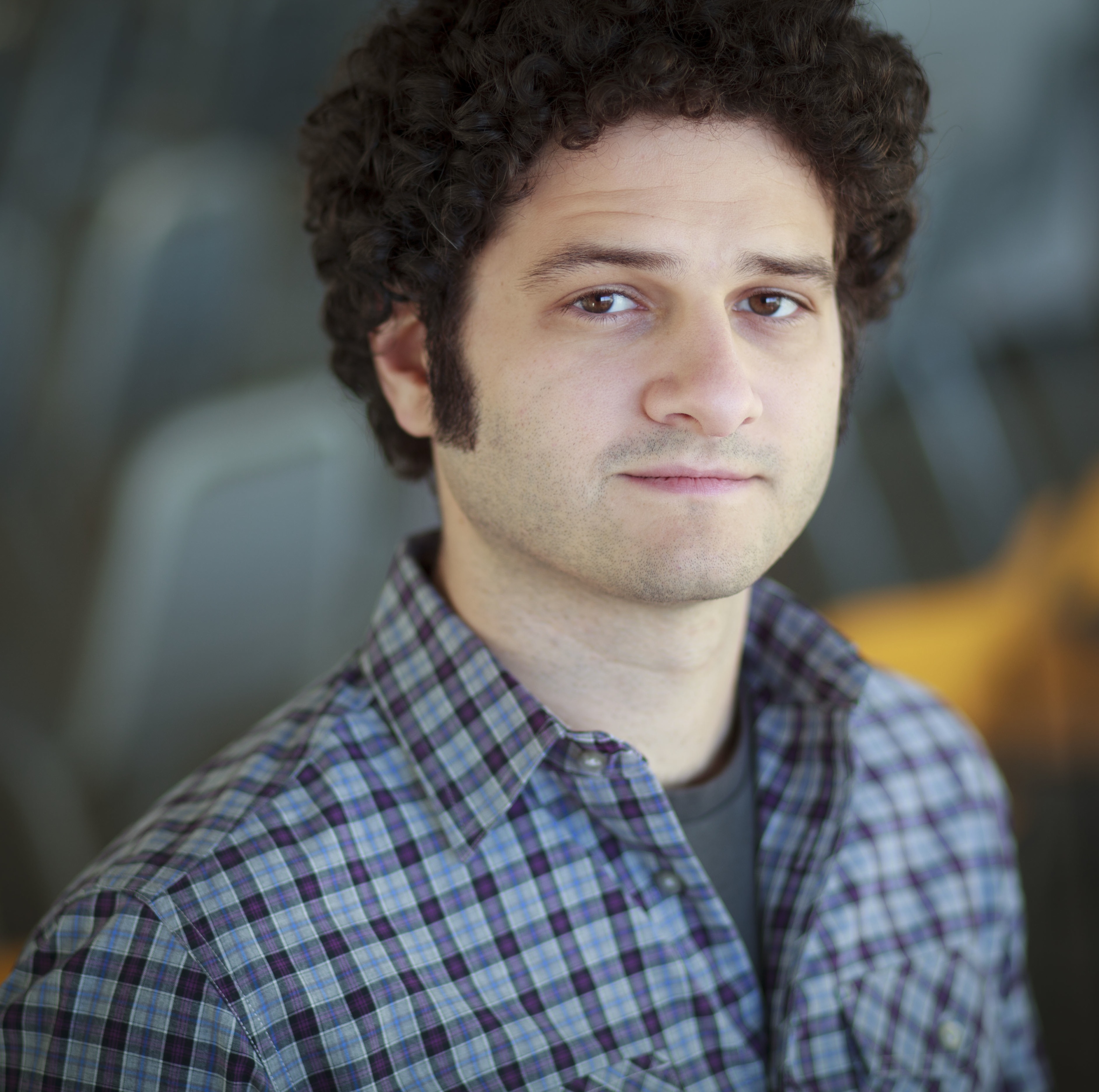
DUSTIN MOSKOVITZ
Co-founder of Facebook and Asana, youngest self-made billionaire, major effective altruism donor
Dustin Moskovitz was Mark Zuckerberg's college roommate, co-founded Facebook at 19, became the youngest self-made billionaire in history at 26, then left to build Asana — a project management tool — because he thought the way people worked together was fundamentally broken. He has since given away over $1 billion to effective altruism causes. The quietest Facebook billionaire who might end up having the biggest impact.
Net Worth
$14 Billion
Nationality
American
Time Horizon
Generational
Risk Appetite
7 / 10
Net Worth Context
- · That's the GDP of a small country — around the size of Greenland.
- · Enough to buy an NBA team and keep $10B for snacks.
CAREER & BACKGROUND
Dustin Moskovitz co-founded Facebook with Mark Zuckerberg, Eduardo Saverin, Andrew McCollum, and Chris Hughes in their Harvard dorm in 2004. He was Facebook's first CTO and VP of Engineering, building much of the early technical infrastructure.
He left Facebook in 2008 at age 24 to co-found Asana with Justin Rosenstein (a former Google and Facebook engineer). Asana went public in 2020 and is now one of the leading work management platforms.
Moskovitz became the world's youngest self-made billionaire at age 26 when Facebook was valued at $50 billion. He and his wife Cari Tuna have since donated over $1 billion through their foundation Good Ventures, primarily to effective altruism and global health causes.
COMPANIES & ROLES
Facebook (co-founder), Asana (co-founder and CEO, NYSE: ASAN), Good Ventures (co-founder with Cari Tuna), Open Philanthropy (co-funder)
INVESTING STYLE & PHILOSOPHY
Moskovitz's wealth comes primarily from his Facebook stock and Asana equity. His personal investing is heavily influenced by effective altruism — he aims to do the most good with his money, measured by lives saved or improved per dollar.
Good Ventures works with GiveWell and Open Philanthropy to identify the most cost-effective charitable interventions. His approach is analytical and evidence-based.
THE PLAYBOOK
Risk Approach
Moderate. Moskovitz took the safe path of building on his Facebook foundation — Asana is a solid SaaS company, not a moonshot.
His philanthropic "risk tolerance" is higher — he funds speculative research into AI safety, pandemic preparedness, and animal welfare that traditional foundations avoid.
Money Habits
Moskovitz lives modestly by billionaire standards. He drives a normal car, wears casual clothes, and does not have a public social media presence.
Nearly all his non-operating wealth goes to Good Ventures and philanthropic causes.
BIGGEST WIN
Facebook. Being a co-founder of a company worth $1.5+ trillion.
His 2% stake made him a billionaire before he turned 27. Asana going public was a secondary win — it validated that he could build a successful company independent of Zuckerberg.
BIGGEST MISTAKE
Asana has struggled with growth and profitability compared to competitors like Monday.com and Notion. The stock has dropped significantly from its post-IPO highs.
Moskovitz's effective altruism association also became complicated when Sam Bankman-Fried's FTX collapse damaged the EA movement's reputation.
FINANCIAL PHILOSOPHY
Use wealth to do the most good possible, measured rigorously. Moskovitz does not believe in giving to whatever cause feels good — he believes in giving to whatever cause saves the most lives per dollar, even if it is unglamorous (deworming programs, malaria nets).
FAMILY & PERSONAL LIFE
Married to Cari Tuna (journalist turned philanthropist, co-runs Good Ventures). Based in San Francisco.
Extremely private.
EDUCATION
Harvard University (dropped out to build Facebook, later returned for degree in Economics).
BOOKS & RESOURCES
GiveWell research reports, Effective Altruism literature, Asana product philosophy documents
As an Amazon Associate, Netfigo earns from qualifying purchases. Book links above may be affiliate links.
QUOTES (6)
I was Zuckerberg's roommate. I helped build Facebook. But the thing I am most proud of is giving away $1 billion to causes that save lives.
Effective altruism asks a simple question: how do you do the most good with the resources you have? The answer is rarely what you expect.
I became a billionaire at 26. That does not make me wise. It makes me lucky. Wisdom is what you do with the luck.
Asana exists because the way people work together is broken. We spend more time coordinating work than doing work. That is insane.
A malaria bed net costs $2 and saves a life. That is the most efficient investment in the world. No stock can compete with that return.
NETFIGO SCORE
Proprietary 5-dimension investor rating
Risk Appetite
Contrarian Index
Track Record
Accessibility
Time Horizon
Related Profiles
Companies
Head-to-Head
Compare Dustin Moskovitz vs another investor.