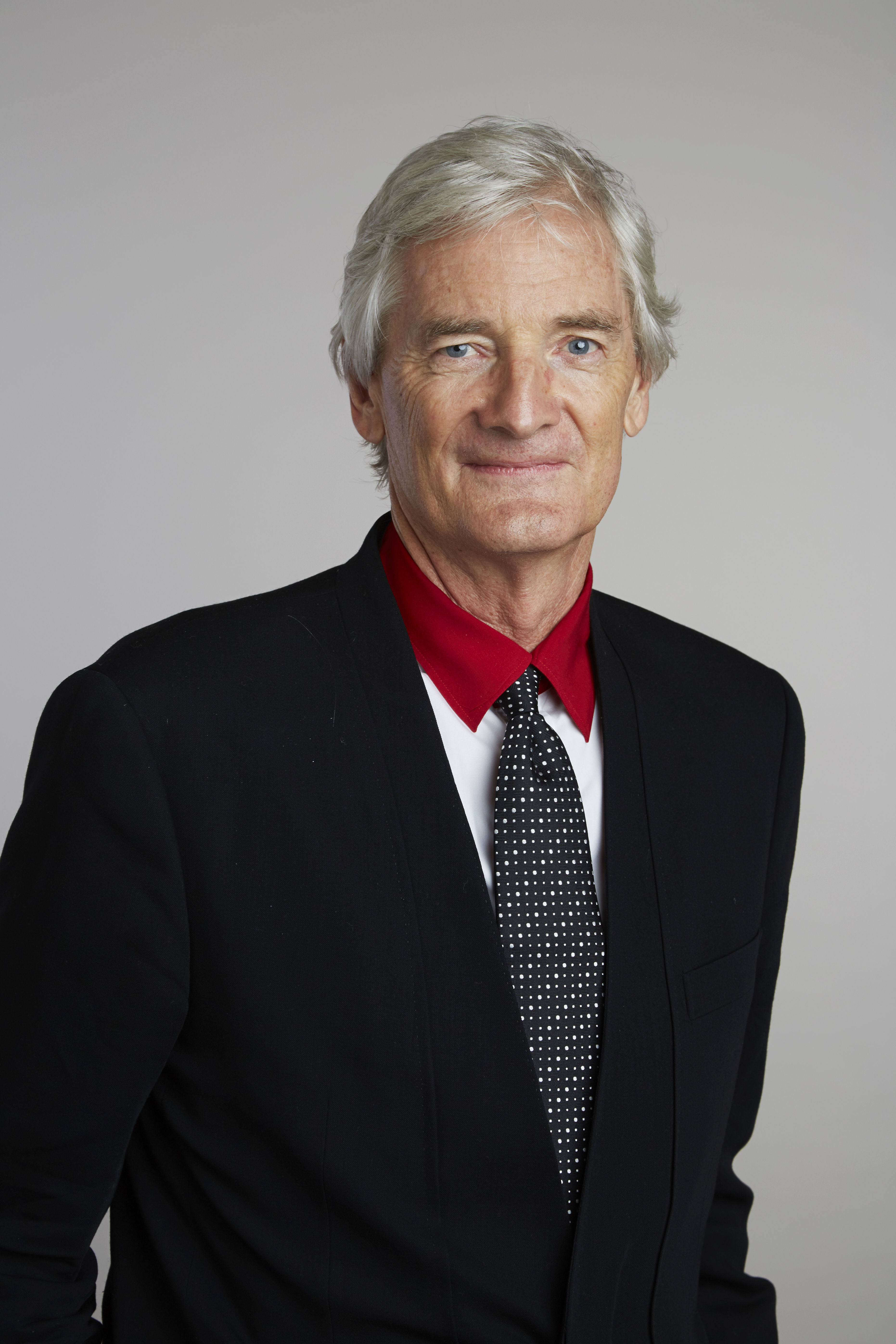
JAMES DYSON
Invented the bagless vacuum cleaner after 5,127 failed prototypes and built Dyson into a $7 billion personal fortune
James Dyson built 5,127 failed prototypes of a bagless vacuum cleaner before getting it right. Five thousand, one hundred and twenty-seven. Most people would have stopped at five. He then spent years trying to license the technology to existing manufacturers — they all said no because the vacuum bag industry was worth $500 million annually and nobody wanted to kill it. So he manufactured it himself. Dyson is now the most valuable private technology company in the UK, and Dyson personally is worth $7 billion. The man is living proof that stubbornness and engineering obsession can beat an entire industry.
Net Worth
$7 billion
Nationality
British
Time Horizon
Generational
Risk Appetite
8 / 10
CAREER & BACKGROUND
Designed his first cyclonic vacuum prototype in 1979. Built 5,127 prototypes over 5 years before perfecting the technology.
Every major vacuum manufacturer rejected his licensing offers. Launched the DC01 vacuum in the UK in 1993 under his own brand.
It became the best-selling vacuum in the UK within 18 months. Expanded globally.
Dyson now sells vacuums, air purifiers, hair dryers, hair straighteners, and bladeless fans. Annual revenue exceeds $7 billion.
Employs 14,000+ people. Invested $3.5 billion in an electric car project (canceled in 2019).
Moved Dyson headquarters from the UK to Singapore in 2019. Remains the sole owner — Dyson is not publicly listed and has never taken outside investment.
COMPANIES & ROLES
Dyson (founder/chief engineer)
INVESTING STYLE & PHILOSOPHY
Dyson is an engineer-investor who puts everything back into R&D. He spends over $7 million per week on research and development.
He does not invest in financial markets — he invests in engineering problems. His approach: identify a consumer product that works badly, engineer a radically better solution, charge a premium price, and protect the technology with aggressive patents.
He has over 4,000 patents globally.
THE PLAYBOOK
Risk Approach
Very high. Dyson bet his personal savings on 5,127 prototypes.
He launched a consumer electronics brand from scratch against established competitors. He invested $3.5 billion in an electric car and then killed it.
He moved his HQ to Singapore, angering the British establishment. He is comfortable with enormous financial and reputational risk when he believes the engineering is sound.
Money Habits
Dyson lives on a massive estate in England — the largest private landowner in the UK with over 36,000 acres of farmland. Despite his wealth, he is known for being hands-on in Dyson engineering labs.
He drives Dyson product development personally. His farming estate is run as a commercial operation growing crops and raising livestock.
BIGGEST WIN
Creating the bagless vacuum category. Dyson proved that consumers would pay 3-5x more for a vacuum that actually worked better.
The DC01 and its successors generated billions in revenue and made Dyson one of the wealthiest people in the UK. The hair dryer (Dyson Supersonic) repeated the playbook — a $400 hair dryer in a market of $30 products became a bestseller.
BIGGEST MISTAKE
The electric car. Dyson invested $3.5 billion developing an electric vehicle and then canceled the entire project in 2019, concluding it could not be made commercially viable despite the engineering being excellent.
The write-off was one of the largest single project cancellations by a private company. Dyson has said the car worked beautifully but the economics did not.
FINANCIAL PHILOSOPHY
Dyson believes in solving problems through engineering, not marketing. His philosophy: make things that work better, charge a fair premium, and let the product speak for itself.
He despises planned obsolescence and designs products to last. He is deeply skeptical of business schools and management consultants, believing that engineering and design should drive business decisions.
FAMILY & PERSONAL LIFE
Was married to Deirdre Hindmarsh, an art teacher, until her passing. They have three children — Emily, Sam, and Jake.
Sam Dyson is now involved in the family business.
EDUCATION
Studied at the Byam Shaw School of Art and the Royal College of Art in London. He is trained as an industrial designer, not a traditional engineer — which he considers an advantage.
BOOKS & RESOURCES
Dyson published his autobiography Invention: A Life. He frequently cites Buckminster Fuller and Isambard Kingdom Brunel as inspirations
He values engineering biographies over business books
QUOTES (6)
Every manufacturer rejected my design because vacuum bags were a 500 million dollar industry. Nobody wanted to kill it.
I did not go to business school. I went to art school. That is why my vacuums look different from everyone else's.
I made 5127 prototypes before I got the vacuum right. Each failure taught me something the previous one did not.
Engineering is the most creative profession in the world. Artists make things that look good. Engineers make things that work.
We spent 3.5 billion on an electric car and then killed it. The car worked beautifully. The economics did not.
If everyone says your idea is crazy that is not a bad sign. It means nobody has done it yet.
NETFIGO SCORE
Proprietary 5-dimension investor rating
Risk Appetite
Contrarian Index
Track Record
Accessibility
Time Horizon
Related Profiles
Head-to-Head
Compare James Dyson vs another investor.