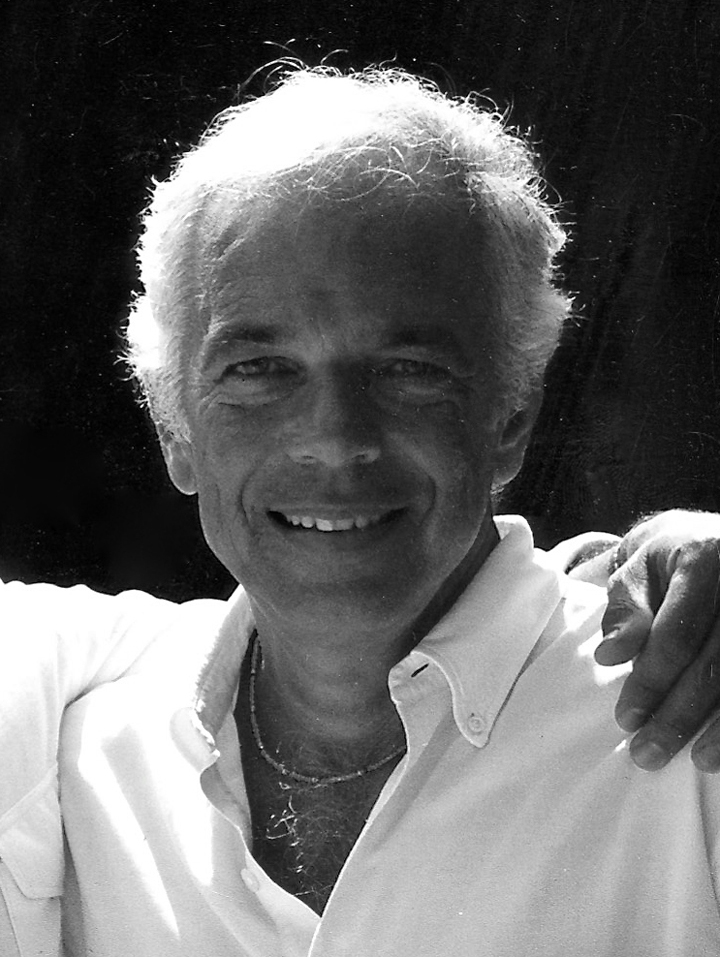
RALPH LAUREN
Built Ralph Lauren Corporation from a tie counter into a $10 billion global fashion empire. The Bronx kid who sold America its own dream back to it.
Ralph Lauren never went to fashion school. He never sketched a dress. He started by selling ties out of a drawer in the Empire State Building in 1967. Today his company does over $6.6 billion in annual revenue and his personal fortune is $6.4 billion. He didn't design clothes — he designed a lifestyle. The polo horse, the mansion, the old-money fantasy. He sold America an aspirational image of itself, and America couldn't stop buying. A kid from the Bronx who became the embodiment of WASP aristocracy. Which is either genius or the greatest con in fashion history.
Net Worth
$6.4 Billion
Nationality
American
Time Horizon
Generational
Risk Appetite
5 / 10
Net Worth Context
- · Still a billionaire — just the quiet kind at the end of the table.
CAREER & BACKGROUND
Ralph Lifshitz was born in the Bronx, New York in 1939 to Belarusian Jewish immigrants. His father was a house painter.
Ralph changed his last name to Lauren as a teenager. He worked at Brooks Brothers as a salesman and then at a tie company.
In 1967, he convinced Beau Brummel, a neckwear company, to let him design a line of wide ties under his own name. Wide ties were unfashionable at the time — everyone was wearing narrow ties.
His were 4.5 inches wide, made of expensive fabrics, and cost twice as much as the competition. They sold out.
By 1968, he had launched Polo as a full menswear line. By the early 1970s, he was dressing Robert Redford in The Great Gatsby.
By the 1980s, Polo Ralph Lauren was a lifestyle brand — clothing, home goods, restaurants, fragrances. The company went public in 1997.
Lauren maintained control through a dual-class share structure that gives him voting power far beyond his economic stake. He has never relinquished creative control.
COMPANIES & ROLES
Ralph Lauren Corporation (NYSE: RL) is the empire. Over $6.6 billion in annual revenue across Polo Ralph Lauren, Ralph Lauren Collection, Lauren Ralph Lauren, Double RL, Club Monaco, and dozens of other labels and sub-brands.
The company operates over 500 stores globally plus massive wholesale and licensing businesses. He also owns a collection of rare automobiles worth over $300 million — including a 1938 Bugatti 57SC Atlantic (one of four in existence, worth roughly $30-40 million alone).
He founded the Polo Bar restaurant in Manhattan. He also owns a 17,000-acre ranch in Colorado, a home in Jamaica, a Hamptons estate, and a Manhattan duplex.
INVESTING STYLE & PHILOSOPHY
Lauren is a brand investor, not a financial investor. His approach to business is entirely about creating and protecting a world — a coherent aesthetic vision that spans every product.
He doesn't follow trends. He sets them.
His investment philosophy for the company is: never dilute the brand, never chase the low end, and always control the customer experience. He's fought retailers, licensees, and his own board to protect the brand image.
He invests heavily in flagship stores as brand temples rather than profit centers. His personal financial investments are largely in his company stock, real estate, and his legendary car collection.
THE PLAYBOOK
Risk Approach
Lauren is conservative about financial risk. He has maintained personal control of the company through a dual-class share structure specifically to avoid being forced into short-term decisions.
He's never leveraged the company dangerously. He's resisted the urge to over-license the brand (unlike many fashion companies that slap their name on anything).
When the company had downturns, he pulled back licensing rather than expanding it — the opposite of what Wall Street wanted. His risk tolerance for brand damage is zero.
His risk tolerance for leaving money on the table to protect the brand is high.
Money Habits
Despite a $6.4 billion fortune, Lauren is relatively understated by fashion mogul standards. He doesn't seek tabloid attention.
He's been married to the same woman since 1964. His major indulgence is his car collection — over 80 rare automobiles including a $40 million Bugatti Atlantic, Ferraris, Porsches, and a Mercedes 300SL Gullwing.
He also owns expansive real estate: a 17,000-acre ranch in Ridgway, Colorado, a Montauk compound, a Manhattan duplex, and a Jamaica retreat. He's donated over $200 million to cancer research (the Ralph Lauren Center for Cancer Care and Prevention) and to fashion preservation (the American Fashion Fund).
BIGGEST WIN
Building Ralph Lauren from a tie counter into a $10+ billion empire over 50 years. No outside investors in the early years, no fashion school pedigree, no family connections.
He went public in 1997 at $26 per share, and the stock has split multiple times since. His personal fortune peaked above $8 billion.
But the bigger win is cultural: Ralph Lauren is one of the most recognized luxury brands on earth, and he built every piece of it from nothing. He also basically invented lifestyle branding — the idea that you're not buying a shirt, you're buying a membership to a way of life.
BIGGEST MISTAKE
Over-expanding into discounted outlets and diffusion lines in the 2000s and early 2010s. The brand became too available.
You could buy Polo at TJ Maxx. The exclusivity eroded.
Revenue grew but brand perception weakened. Lauren and his team spent years pulling back, closing outlets, reducing off-price distribution, and re-elevating the brand.
It worked, but it cost years of revenue growth and reminded the industry that ubiquity is the enemy of luxury. Lauren himself has said the hardest thing in fashion is knowing when to say no.
FINANCIAL PHILOSOPHY
Lauren believes in the power of a clear, uncompromising vision. He doesn't design for critics, for fashion shows, or for trends.
He designs for a world he wants to live in. His philosophy is that authenticity — even when the "authenticity" is aspirational fiction — beats everything.
He believes you should never let anyone else define your brand. He believes in vertical control: owning the stores, controlling the display, dictating the lighting.
He famously said, "I don't design clothes. I design dreams."
FAMILY & PERSONAL LIFE
Married Ricky Anne Low-Beer in 1964. Three children: Andrew (who runs the company's advertising), David (who worked at the company and now runs his own ventures), and Dylan (a candy entrepreneur with Dylan's Candy Bar).
The family is close. Ricky has been his partner and muse throughout his career.
Lauren has spoken about how growing up in the Bronx with immigrant parents shaped his vision of the American dream that he later sold to the world.
EDUCATION
Baruch College (B.S. in Business, never completed — he dropped out to pursue the tie business).
No fashion training whatsoever. He has said he learned more from watching movies — especially old Hollywood films — than from any classroom.
BOOKS & RESOURCES
By Ralph Lauren (2007) is a massive 500-page visual autobiography — more art book than memoir, but it captures his vision completely
The unauthorized biography — less flattering but more revealing
Essential context
As an Amazon Associate, Netfigo earns from qualifying purchases. Book links above may be affiliate links.
QUOTES (5)
The worst thing in fashion is to be ubiquitous. The hardest thing is knowing when to say no.
I'm not a fashion person. I'm anti-fashion. I'm interested in longevity, timelessness, style.
I grew up in the Bronx with nothing. I had a vision of how I wanted the world to look, and I built it.
NETFIGO SCORE
Proprietary 5-dimension investor rating
Risk Appetite
Contrarian Index
Track Record
Accessibility
Time Horizon
Related Profiles
Head-to-Head
Compare Ralph Lauren vs another investor.