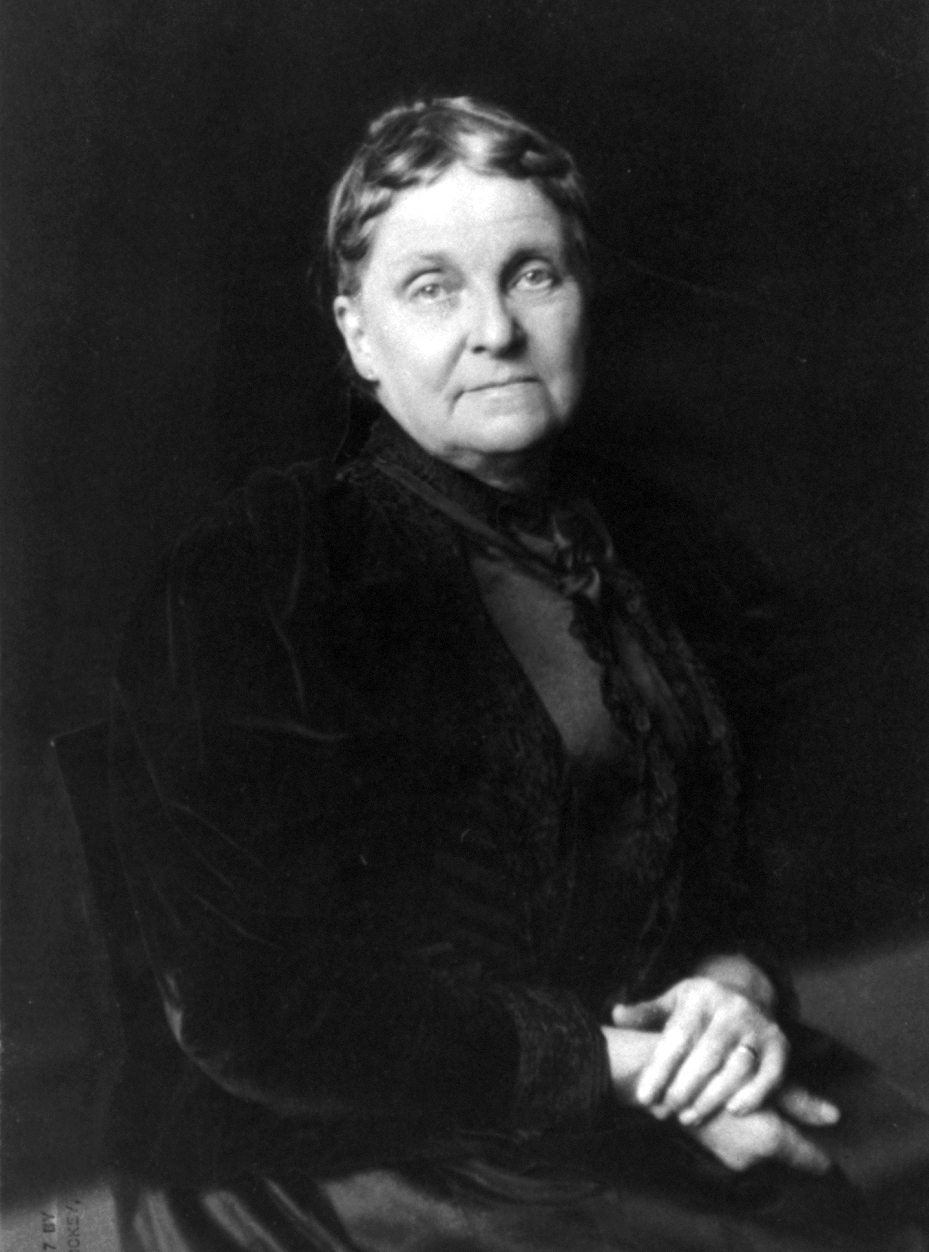
HETTY GREEN
The richest woman in America during the Gilded Age. Known as the "Witch of Wall Street" for her extreme frugality and ruthless investing.
Hetty Green was worth roughly $200 million when she died in 1916 — about $5.8 billion in today's money. She was the richest woman in America and possibly the richest self-made woman in history at the time. She lived like a homeless person. She wore the same black dress until it fell apart. She allegedly refused to hire a doctor for her son's injured leg, and he eventually had it amputated. Wall Street called her the "Witch of Wall Street" because she terrified bankers and she dressed like she was attending a funeral. Every single day.
Net Worth
$200 Million (at death, 1916)
Nationality
American
Time Horizon
Long-Term
Risk Appetite
4 / 10
Net Worth Context
- · 200x the average American's lifetime earnings, stacked and waiting.
CAREER & BACKGROUND
Henrietta Howland Robinson was born in New Bedford, Massachusetts in 1834 to a wealthy Quaker whaling family. Her father and grandfather ran one of the largest whaling fleets in America.
She was reading financial papers to her grandfather by age 6. When her father died in 1865, she inherited about $6 million.
When her aunt died shortly after, Hetty expected another $2 million but was cut out of the will. She sued, producing a will she claimed was more recent.
The court ruled against her, and she was nearly charged with forgery. This experience made her permanently distrustful of everyone.
She married Edward Green, a millionaire trader, in 1867 — but only after he signed a prenuptial agreement waiving any claim to her money. Remarkably progressive for 1867.
She invested aggressively in government bonds, railroads, and real estate, and became the dominant lender in New York during financial panics. When banks were collapsing in 1907, the city of New York literally came to Hetty Green for a loan.
She gave them $1.1 million and took short-term city bonds as collateral. She was the lender of last resort for an entire city.
COMPANIES & ROLES
Green didn't run a company in the modern sense. She managed her own money — a massive portfolio of US government bonds, railroad bonds and stocks, real estate across multiple states, and mortgages she held on properties from Manhattan to Chicago.
She was essentially a one-woman bank. She lent money to cities, companies, and individuals at interest rates she set.
She owned significant real estate in New York, Chicago, and across New England. Her estate at death was valued at roughly $200 million — equivalent to approximately $5.8 billion today.
INVESTING STYLE & PHILOSOPHY
Green was a contrarian value investor decades before the term existed. She bought when everyone was selling and sold when everyone was buying.
During financial panics, she had cash ready while everyone else was scrambling. She lent money at high interest rates to desperate borrowers.
She invested heavily in bonds — both government and railroad — and in real estate, always buying below intrinsic value. She did her own research, trusted no one's advice, and kept meticulous records.
She was also one of the first major investors to use leverage strategically — borrowing against her bond portfolio to make new investments during downturns.
THE PLAYBOOK
Risk Approach
Green was risk-averse in the extreme when it came to losing money. She lived as if she could go broke at any moment, even though she never came close.
She kept enormous cash reserves so she could buy during panics. She never speculated on anything she didn't understand completely.
She diversified across bonds, real estate, and loans. She demanded collateral for every loan.
She was, paradoxically, both one of the most aggressive investors of her era (in terms of deploying capital during crises) and one of the most conservative (in terms of protecting against loss). Her floor was zero losses.
Her ceiling was whatever the market would give her.
Money Habits
Green's frugality was legendary and pathological. She wore the same black dress repeatedly.
She lived in cheap boarding houses and moved frequently to avoid establishing tax residency. She ate cold oatmeal to avoid heating costs.
She reportedly heated only one part of her apartment. She carried her lunch in a paper bag.
She argued with merchants over pennies. She once spent half a night searching for a two-cent stamp.
She refused to use hot water. Despite being worth $200 million, she lived like someone on welfare.
This wasn't a philosophy — it was closer to a psychological condition, likely rooted in her Quaker upbringing and the trauma of the will contest.
BIGGEST WIN
Being the lender of last resort during the Panic of 1907. When banks were failing and New York City needed emergency cash, Hetty Green was one of the only people liquid enough to help.
She lent $1.1 million to the city and had cash deployed across dozens of distressed opportunities. She reportedly made tens of millions during the panic by buying assets at pennies on the dollar from desperate sellers.
Her lifetime compounding of the family fortune from $6 million to $200 million — a 33x increase over roughly 50 years — is one of the great wealth-building runs in American financial history.
BIGGEST MISTAKE
Her reputation. Green's extreme frugality crossed into cruelty and became her defining legacy instead of her investing brilliance.
The story of her son Ned's leg — injured in a childhood sledding accident, allegedly treated at a free clinic because she wouldn't pay for a doctor, eventually amputated — haunted her legacy. Whether the full story is accurate is debated, but the perception destroyed any sympathy the public might have had for her achievements.
She was one of the greatest investors of her era, but she's remembered primarily as a miser.
FINANCIAL PHILOSOPHY
Green believed that money saved was more valuable than money earned. She believed in buying when nobody else wanted to buy.
She believed debt was a tool to be used on others, not on yourself. She believed in knowing exactly what you owned and what it was worth at all times.
She trusted no one — not lawyers, not bankers, not family — with her financial decisions. She believed the best investment was a loan secured by collateral worth more than the loan amount.
Basically, she invented the concept of margin of safety 50 years before Benjamin Graham wrote about it.
FAMILY & PERSONAL LIFE
Married Edward Henry Green in 1867. Two children: Ned and Sylvia.
Her marriage was essentially a financial arrangement — she insisted on the prenup and managed all money separately. Edward lost his own fortune in bad speculations, and Hetty refused to bail him out.
They eventually separated. Ned Green became a notable eccentric himself, spending lavishly after his mother's death.
Sylvia lived quietly. Hetty's relationship with money dominated every human relationship she had.
EDUCATION
No formal higher education. She was educated privately and by her Quaker family.
Her real education was reading financial papers with her grandfather from age 6 and managing money from her teenage years. She was entirely self-taught as an investor.
BOOKS & RESOURCES
Green didnt write any books.
And Samuel Taylor Moore — published in 1930, it's the primary source for most Green stories
Hetty: The Genius and Madness of Americas First Female Tycoon by Charles Slack is the modern biography and more balanced.
Captures the financial world Green dominated
As an Amazon Associate, Netfigo earns from qualifying purchases. Book links above may be affiliate links.
QUOTES (5)
There is no great secret in fortune making. All you do is buy cheap and sell dear.
When I see a good thing going cheap because nobody wants it, I buy a lot of it.
NETFIGO SCORE
Proprietary 5-dimension investor rating
Risk Appetite
Contrarian Index
Track Record
Accessibility
Time Horizon
Related Profiles
Head-to-Head
Compare Hetty Green vs another investor.