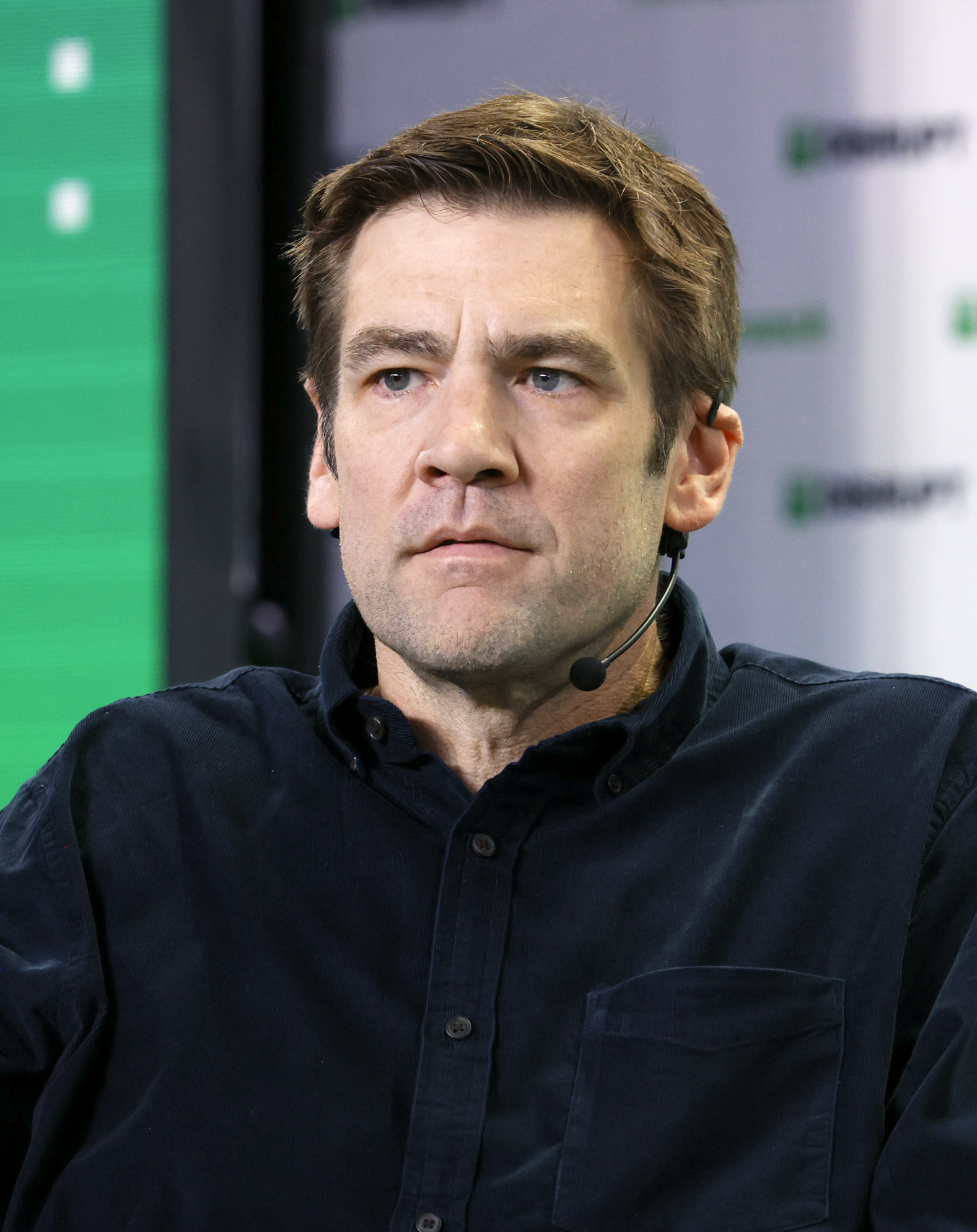
CHRIS DIXON
a16z crypto partner and the most influential Web3 investor in Silicon Valley
The VC who bet his entire career on the idea that blockchains will be as transformative as the internet. Dixon runs a16z crypto — a $7.6 billion fund that has backed Coinbase, Uniswap, Solana, and dozens of other crypto projects. His blog post "Why Web3 Matters" is basically the constitution of the crypto VC movement. He's either the smartest investor in the room or the most expensive philosopher. The next ten years will determine which.
Net Worth
$300 million
Nationality
American
Time Horizon
Long-Term
Risk Appetite
9 / 10
CAREER & BACKGROUND
Started as a founder — built SiteAdvisor (sold to McAfee for $75 million) and Hunch (sold to eBay for $80 million). Then joined Andreessen Horowitz (a16z) as a general partner in 2013.
His early VC investments at a16z included Coinbase, Kickstarter, Oculus (sold to Facebook), and various enterprise startups. Then he pivoted entirely to crypto and blockchain.
Launched a16z crypto in 2018 with a $300 million fund. The fund grew through subsequent raises to $7.6 billion across four funds — making it the largest dedicated crypto venture fund in the world.
He is now the single most powerful allocator of capital in the Web3 ecosystem.
COMPANIES & ROLES
Andreessen Horowitz (a16z) is the platform. Dixon runs the crypto division as a separate vertical.
a16z crypto has invested in: Coinbase (pre-IPO), Uniswap (largest decentralized exchange), Solana (Layer-1 blockchain), dYdX (decentralized derivatives), Optimism (Ethereum rollup), Yuga Labs (Bored Ape Yacht Club), and dozens more.
Before a16z, he co-founded SiteAdvisor (acquired by McAfee in 2006 for $75 million) and Hunch (acquired by eBay in 2011 for $80 million). He's a rare VC who has actually built and sold companies.
He's also a prolific blogger and writer. His essays on technology, innovation, and crypto have been among the most influential in the tech industry for over a decade.
INVESTING STYLE & PHILOSOPHY
Dixon invests based on a core thesis: the most important technologies start looking like toys. Personal computers looked like toys in 1975.
The internet looked like a toy in 1993. Blockchains look like toys to most people right now.
His crypto thesis is that blockchains enable digital ownership and decentralized platforms — solving the problem of big tech companies extracting value from users and creators. Web3, in his framework, gives users ownership of their data, content, and digital assets.
He invests early and holds through cycles. a16z crypto has maintained positions through the 2018 and 2022 crypto crashes when other VCs fled.
THE PLAYBOOK
Risk Approach
Very high. Dixon is investing billions in a technology that most mainstream investors consider speculative at best and a scam at worst.
Crypto prices have crashed 80%+ multiple times. Many crypto projects have failed or turned out to be fraudulent.
His willingness to keep investing through bear markets — raising new funds when crypto prices are in the dumps — demonstrates conviction that borders on religious faith.
Money Habits
Lives in the Bay Area. Low-key by VC standards.
His primary public presence is through blog posts, tweets, and his book. He doesn't do the celebrity VC thing as much as some of his a16z colleagues.
BIGGEST WIN
Coinbase. a16z invested in Coinbase multiple times starting in 2013.
When Coinbase went public in 2021, a16z's position was worth over $11 billion — one of the most profitable venture investments in history. Dixon personally championed the Coinbase investment within a16z when crypto was still considered fringe.
BIGGEST MISTAKE
The 2022 crypto winter. a16z crypto deployed billions at or near market peaks.
Investments in tokens that dropped 80-90% in value during the 2022 crash — and high-profile collapses like FTX (though a16z didn't invest directly in FTX) — called into question the entire thesis. Paper losses were enormous.
The jury is still out on whether the portfolio recovers.
FINANCIAL PHILOSOPHY
Dixon believes the internet went wrong when it centralized around a few giant platforms. Google, Facebook, Amazon, and Apple control too much.
Web3 — built on blockchains — can create a more open, user-owned internet.
His framework: read, write, own. Web1 was read (static pages).
Web2 was read-write (social media). Web3 is read-write-own (users own their data and digital assets through tokens).
He also believes in investing in the next big thing before it looks like the next big thing. The best time to invest in a big shift is when most people think it's stupid.
FAMILY & PERSONAL LIFE
Private about family life. His public persona is entirely professional — focused on technology investing and crypto advocacy.
EDUCATION
Attended Columbia University, then Harvard Business School for his MBA. Also studied philosophy at Columbia, which shows in his writing — his blog posts are unusually thoughtful for a VC.
BOOKS & RESOURCES
As an Amazon Associate, Netfigo earns from qualifying purchases. Book links above may be affiliate links.
QUOTES (6)
The best time to invest in a paradigm shift is when most people think it's stupid.
Technology trends are driven by developers, not analysts. Follow what developers are building.
Web3 gives users property rights on the internet. For the first time, you can own your digital stuff.
NETFIGO SCORE
Proprietary 5-dimension investor rating
Risk Appetite
Contrarian Index
Track Record
Accessibility
Time Horizon
Related Profiles
Head-to-Head
Compare Chris Dixon vs another investor.